There’s a special kind of excitement that builds before a photography trip—the kind that keeps you awake the night before, running through compositions in your mind, double-checking gear, and picturing that perfect moment when the light hits just right. For my trip to Washington State a couple of years ago, everything seemed to be aligning perfectly. I had planned a week exploring around Mount Baker—hikes that promised wildflowers, alpine lakes, and clear views of the mountain ranges. The forecast looked ideal, and I was sure this would be one of those trips that delivered a portfolio’s worth of images.
In the days leading up to the trip, I tracked distant wildfires burning far to the northeast. They looked far enough away that they shouldn’t have any impact. I even checked multiple smoke forecast maps, reassuring myself that the air around Mount Baker would remain clear. But nature doesn’t read our plans. The day before I arrived, the winds shifted. By the time I reached my destination, a blanket of smoke covered the entire area. The air carried that distinct campfire scent, and visibility dropped so much that the peaks I had traveled across the country to photograph were completely hidden.
The first couple of days were rough. The smoke made it uncomfortable to hike long distances, and each sunrise and sunset—the moments I’d been most excited for—was swallowed by a dull orange haze. I’ll admit I was frustrated. It felt like all the research, all the time, all the anticipation had been for nothing.
But after a day or two, once I accepted that I couldn’t control the conditions, my perspective began to change. The light filtering through the haze took on a soft, painterly quality. The layers of mountains in the distance became ghost-like silhouettes fading into one another. Instead of chasing the grand, sweeping landscapes I had envisioned, I started paying attention to the subtle scenes close at hand—the texture of alpine plants, the curve of a stream, or the way the smoke diffused the sunlight through clusters of trees.
In a way, the trip became more meaningful because I had to let go of expectations and react to what nature gave me. I came home without the images I thought I’d capture, but with photos that told a completely different story—one about mood, atmosphere, and adapting to the unexpected.
Tips for Making the Most of Uncooperative Conditions
1. Embrace the Mood
When conditions turn gloomy, hazy, or foggy, it’s easy to feel defeated when you had other plans in mind. But those same elements can transform a scene into something far more atmospheric than a typical blue-sky day. Soft light, reduced contrast, and muted tones can bring a painterly calm to a landscape.
Work with what the scene gives you.
If distant views disappear, look for the shapes and tonal layers created by the haze. Smoky air, fog, or overcast skies often render mountain ridges as stacked silhouettes fading into the distance. These conditions can add depth and mystery to an image that wouldn’t exist on a clear day.
Simplify your compositions.
Let the negative space of fog or haze become part of the design. A lone tree, a curving trail, or a rock outcropping framed by emptiness can say more than a wide, detailed vista ever could.
Use light to your advantage.
Hazy skies can soften harsh highlights and make the light more even across your frame. This is a great opportunity to play with minimal color, subtle contrast, or even convert to black and white to emphasize form and texture.
The trick is to stop wishing for what the scene should look like and start photographing what it actually feels like. Once you do, the mood becomes your ally instead of your obstacle.
2. Shift Your Focus
When the grand landscape doesn’t cooperate, it’s time to look closer. Wide views may lose their impact when distant peaks or skies are hidden, but there’s almost always beauty in the details right in front of you.
Look for smaller scenes.
Textures, patterns, and color contrasts can turn an ordinary patch of ground into an engaging composition. Wet rocks, glistening leaves, or wildflowers softened by mist can all tell the story of the place just as effectively as a sweeping vista.
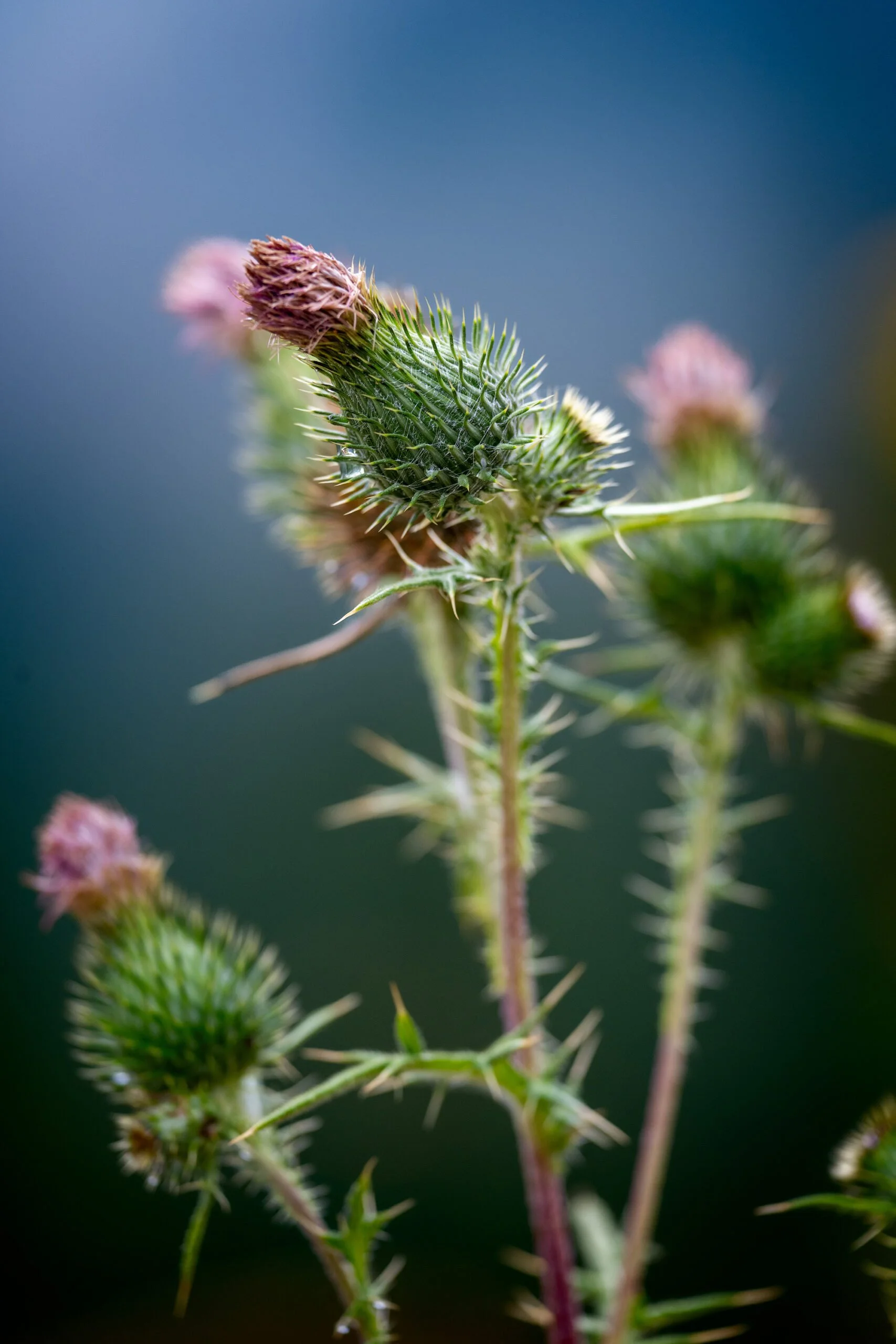
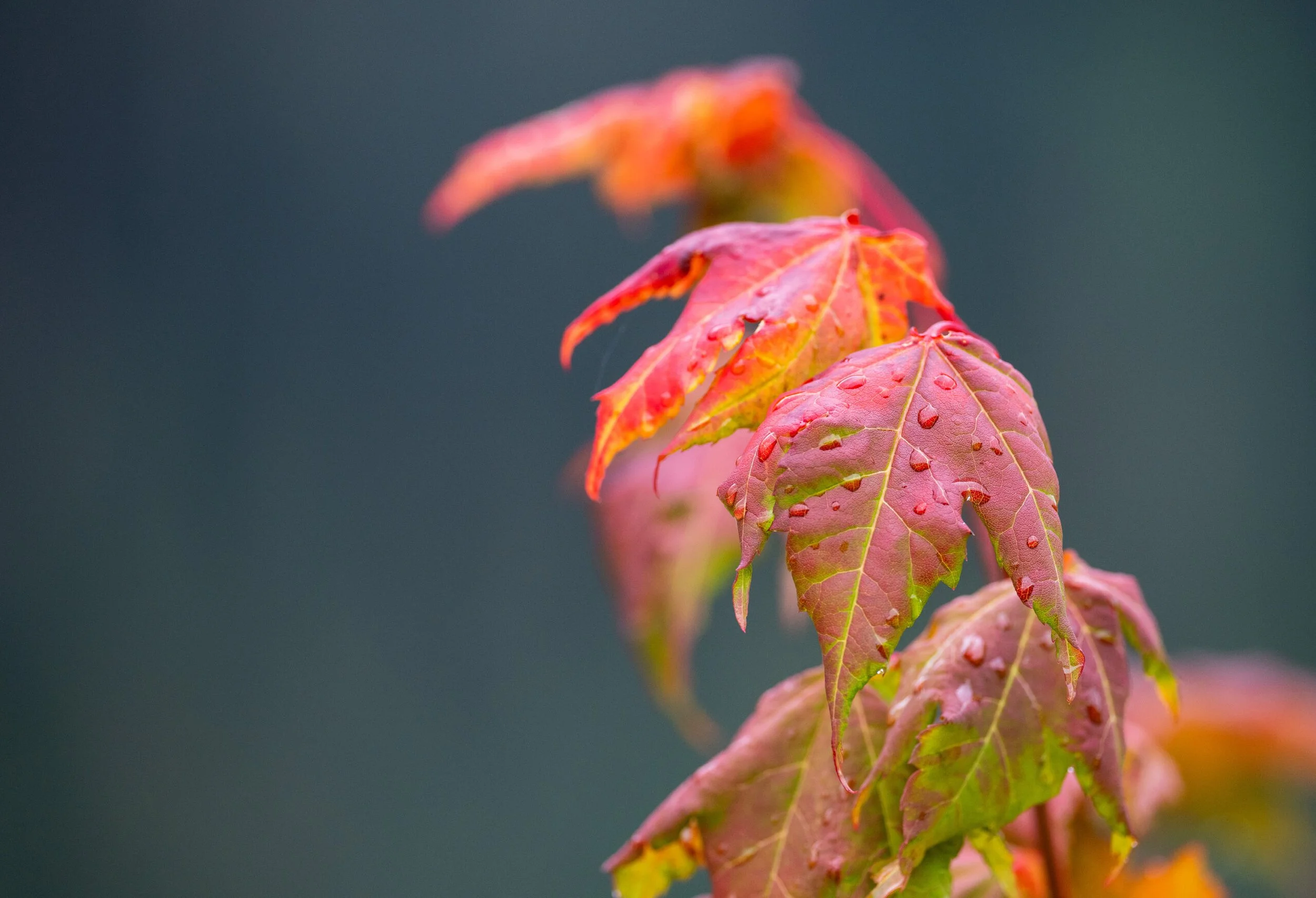
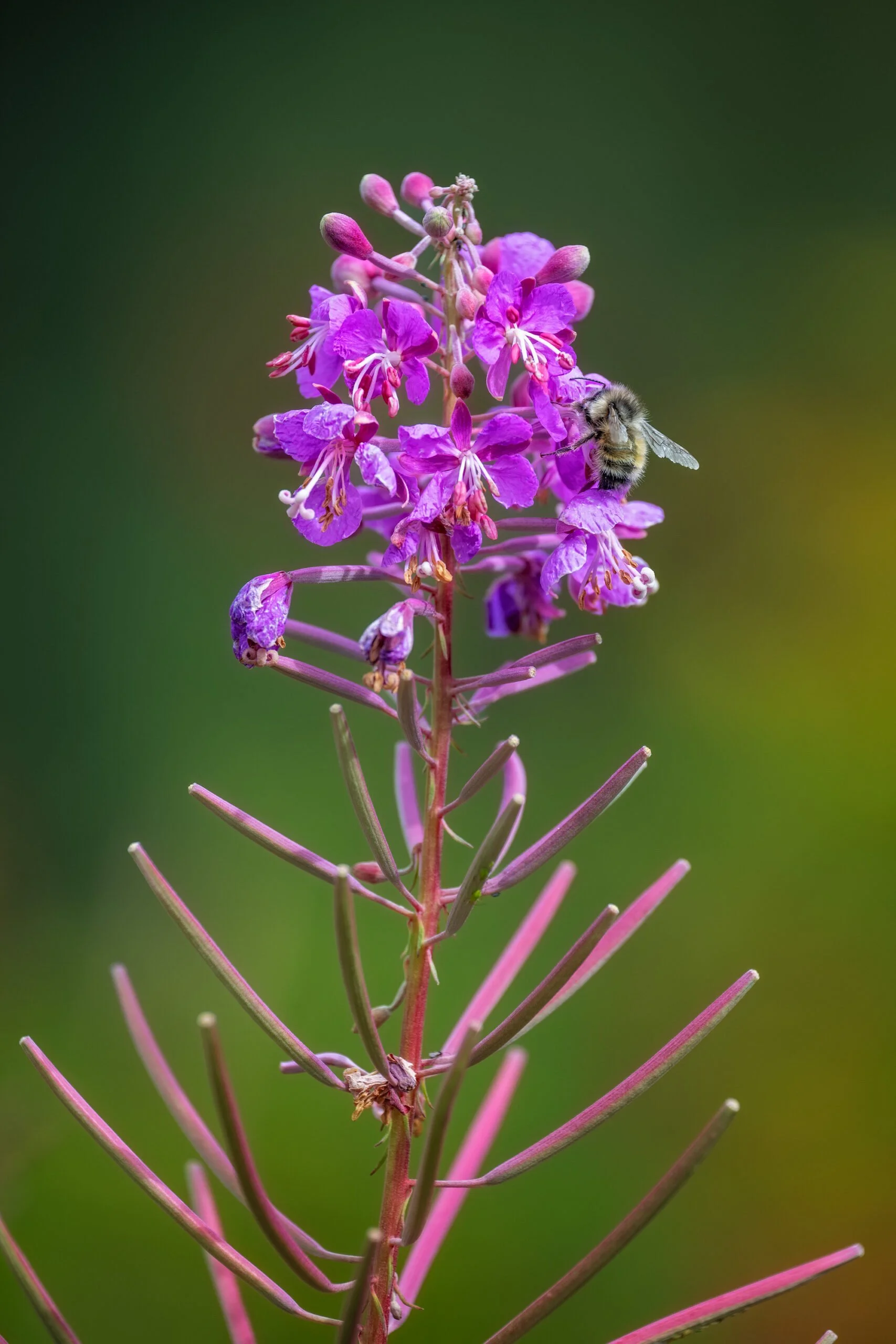
Think layers and depth.
Foreground subjects—like a cluster of plants, a winding stream, or an interesting tree—can provide strong anchors when the background fades away. In fact, limited visibility often helps simplify your scene, allowing those closer elements to stand out.
Adjust your mindset.
It’s easy to feel disappointed when your original vision doesn’t work out, but narrowing your perspective can actually open new creative doors. Some of my favorite photos have come from moments when I stopped chasing the “big view” and started appreciating the subtle beauty right around me.
3. Use the Light You Have
Light is rarely what we imagine it will be when we plan a trip. But even when it’s not dramatic or colorful, it can still work in your favor if you know how to use it.
Soften your expectations, not your eye.
Diffused light from haze, fog, or clouds can be incredibly flattering for subtle subjects like foliage, waterfalls, or textured rock. Without harsh shadows, colors appear richer and more even, and detail can shine through in places that would normally be lost to contrast. My personal preference is to photograph waterfalls and forest scenes only when it’s overcast or foggy. The lack of direct sunlight evens out the light and eliminates harsh highlights and deep shadows. It essentially compresses the dynamic range of the scene, making it easier for your camera’s sensor to handle the exposure properly.
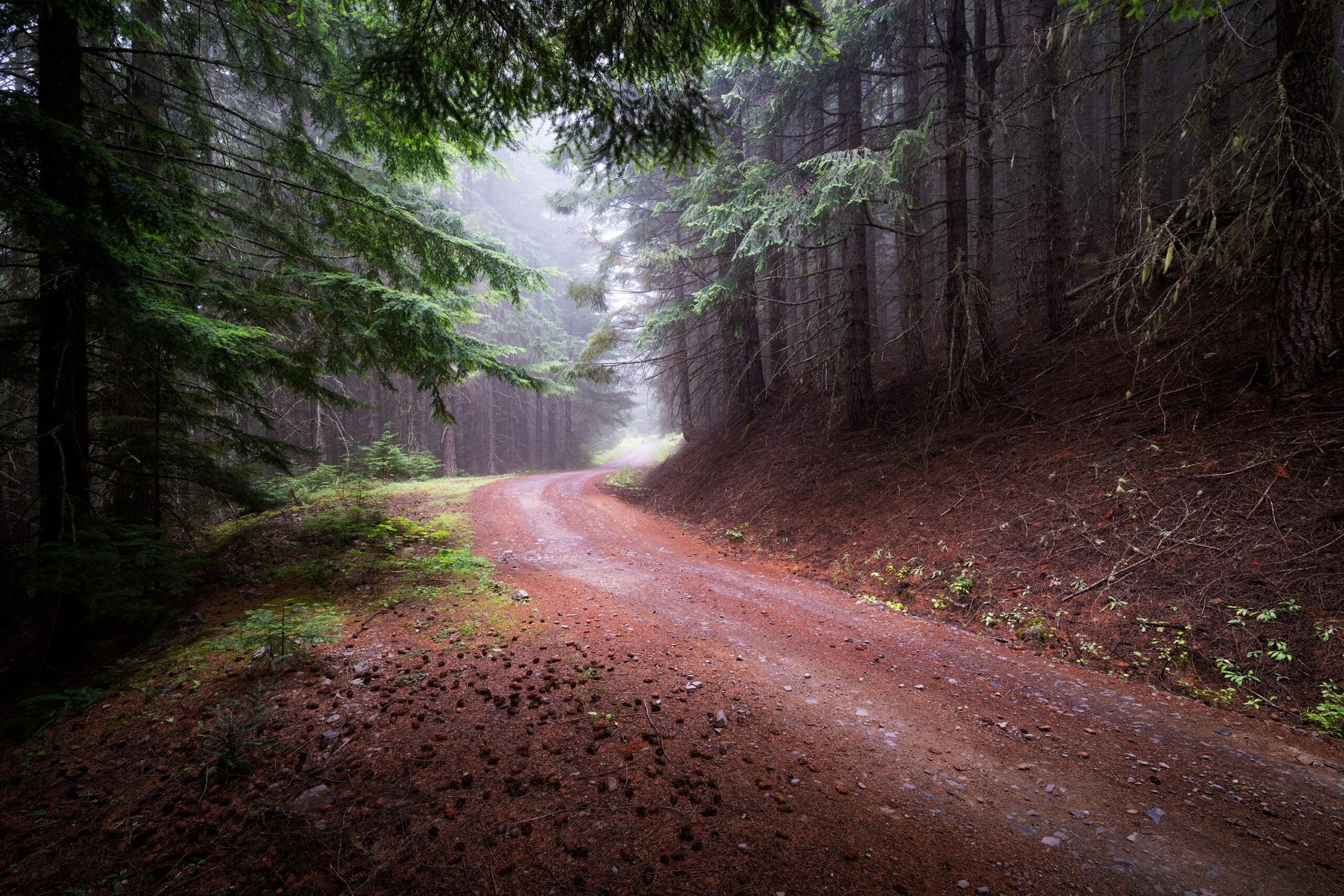
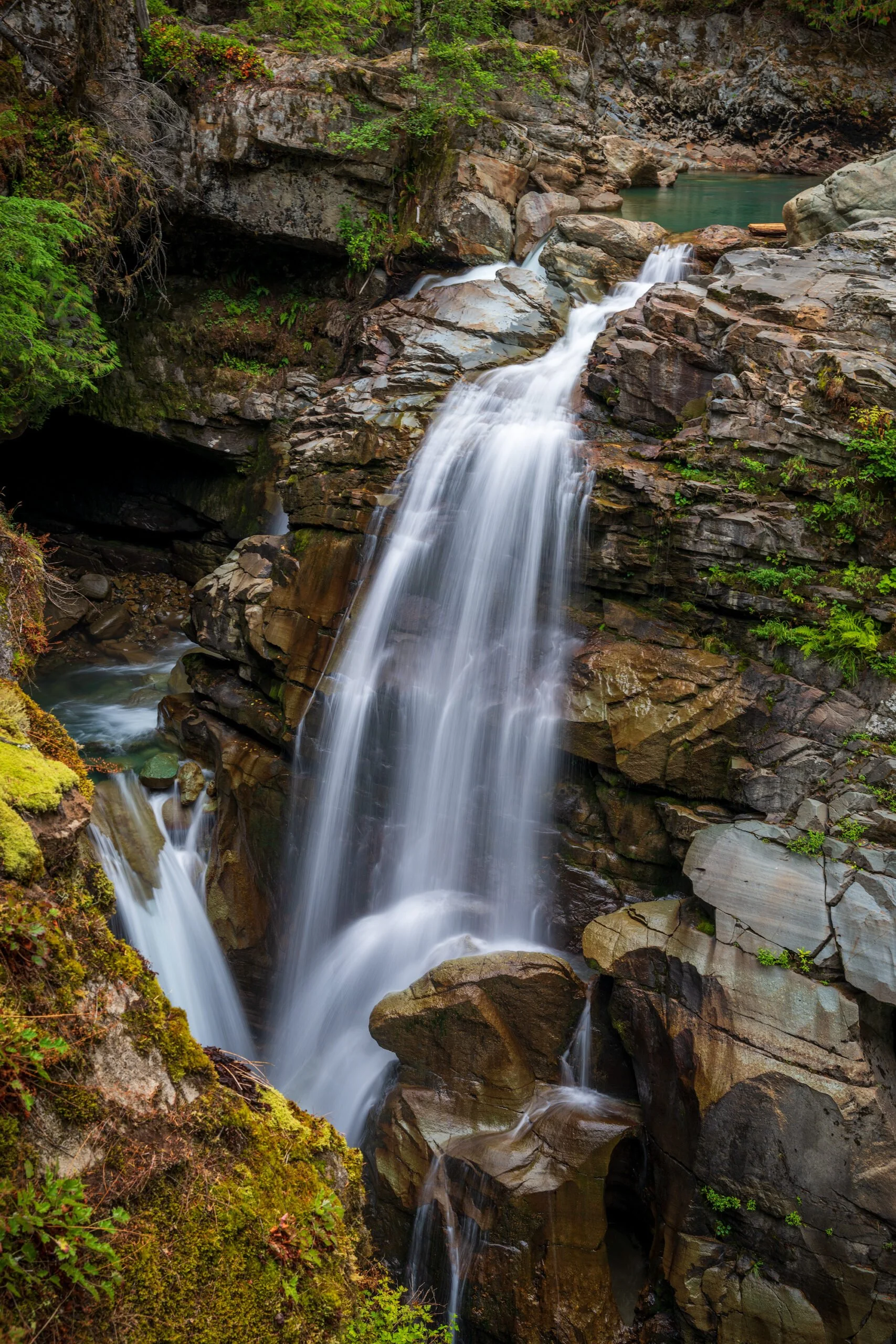
Experiment with direction.
Side or backlight can still add dimension, even through muted skies. Try positioning yourself so the light grazes across your subject—it can highlight shape and texture in a way that feels natural and calm.
Play with exposure.
Flat light is forgiving, so use it to experiment. Slightly underexposing can deepen tones and enhance atmosphere, while bright exposures can evoke a soft, airy feel. The goal isn’t to fight the light—it’s to let it define the mood of the image.
Photography isn’t just about capturing “good” light—it’s about understanding that every type of light has its own story to tell.
4. Prepare for Flexibility
Even the best-laid plans can unravel the moment you arrive. Weather changes, trails close, or a scene just doesn’t look the way you imagined. Building flexibility into your approach ensures you can still make the most of the trip, no matter what happens.
Leave room to adapt.
When starting out, I was that person trying to plan every minute of the day. While that approach can be great for a traditional vacation when you’re trying to squeeze in as much as possible, it doesn’t work for photography. I’ve learned to give myself time to observe and be patient. When planning now, I still outline my main stops and ideas, but I leave open windows of time to wander or react to changing light. Some of my favorite photos have come from unplanned detours.
Scout alternatives.
Before a trip, I like to research not just my main shooting spots, but backup areas nearby. That way, if light or weather conditions aren’t ideal at one location, I already have a few secondary options ready. Sometimes those backups end up being even better than what I had originally planned.
Stay open creatively.
Flexibility isn’t only about location—it’s about mindset. Maybe the scene that drew you there doesn’t work, but a reflection in a puddle or a pocket of mist over a valley suddenly catches your attention. Let those moments guide you—it can be especially rewarding to come away with a great photo you weren’t even expecting to take in the first place.
5. Keep Shooting and Keep Learning
It’s easy to get discouraged when conditions aren’t what you hoped for, but the truth is, those challenging moments are often where the most growth happens. Every trip—successful or not—teaches you something new about how you see, how you adapt, and how you create.
Keep pressing the shutter.
Even when it feels like there’s nothing worth photographing, keep shooting anyway. You’ll train your eye to recognize subtle compositions and to make the most of whatever’s in front of you. Some of your most meaningful photos may come from moments when you almost packed the camera away.
Reflect on the experience.
When you get home, review your photos with a mindset of curiosity instead of disappointment. Ask yourself what worked, what didn’t, and how you could have approached the situation differently. Over time, that awareness helps you grow faster than any tutorial or new piece of gear.
Every outing matters.
No trip is wasted if you come away having learned something—even if it’s just patience, or the reminder that photography is as much about the experience as the final image.
Final Thoughts
That Mount Baker trip reminded me that photography isn’t about controlling nature—it’s about responding to it. Every trip, whether it unfolds exactly as envisioned or not, has something to offer. Sometimes, the most memorable moments and meaningful images come when things don’t go according to plan.
When conditions don’t cooperate, they sometimes teach us to see in ways we never would have otherwise.